What is Dermatology and Who is a Dermatologist?
Diseases related to the skin, hair, and nails are very common, and almost everyone experiences at least one of them at some point in life. Dermatology involves the study, diagnosis, and management of any condition affecting the skin, hair, nails, and mucous membranes. A dermatologist is a medical doctor who specializes in treating these disorders and diseases.
In this article from Dr. Fakhriya’s Magazine, you will learn more about the terms dermatology and dermatologist.
What is Dermatology?
The word dermatology comes from the root derm or dermis, which originates from the Greek word derma, meaning “skin.” The skin is the largest organ of the body and performs many vital functions. It protects us against heat, cold, germs, and harmful substances. Moreover, the skin contains nerve endings, sweat glands, hair follicles, blood vessels, and many other structures. For this reason, the skin serves as an excellent indicator of your overall health — any change in its color or condition may be a sign of an underlying problem or disease.
Therefore, taking care of your skin and being aware of its overall health is very important. In addition to the skin, dermatology also deals with the study of the nails, hair, and mucous membranes (such as the eyelids, nose, and mouth).
Subspecialties in Dermatology
As a specialized branch of medical science, dermatology covers several areas of expertise. Some of the main subspecialties include:
-
Dermatopathology
This field focuses on the study and microscopic examination of tissues and pathological changes in skin disorders. Dermatopathologists analyze tissue samples under a microscope to identify cellular and structural abnormalities, which helps achieve accurate diagnosis and effective treatment. -
Cosmetic Dermatology (Dermatocosmetic)
This branch of dermatology deals with the study and enhancement of the aesthetic aspects of the skin, hair, nails, and mucous membranes. It includes various procedures and techniques such as cosmetic lasers, fillers, Botox, and other non-surgical methods aimed at improving the skin’s appearance and beauty. -
Dermatogenetics
This area studies the relationship between genetics and skin disorders. Dermatogenetics explores the genetic factors that contribute to skin diseases, hereditary influences on their development, and provides genetic counseling related to these conditions. -
Molecular Dermatopathology
This field examines the molecular and biochemical mechanisms behind skin disorders. Through molecular analysis, dermatopathologists gain deeper insights into the causes and mechanisms of skin diseases and develop targeted, mechanism-based treatments. -
Dermatosurgery
Dermatosurgery focuses on surgical procedures within dermatology. Dermatosurgeons are skilled in performing skin-related surgeries, including laser surgery, hair transplantation, reconstructive procedures, and various skin operations aimed at treating conditions or improving appearance.
These are only a few examples of dermatology subspecialties. The field also includes other areas such as dermatophysiology, medical dermatopathology, and dermatoallergy, each playing a significant role in research and treatment of skin disorders.

Who Is a Dermatologist?
A dermatologist is a medical specialist in the field of dermatology — the study and treatment of skin, hair, nail, and mucous membrane conditions. Dermatologists are trained physicians who not only diagnose and treat disorders of the skin but also understand the internal conditions that may cause or contribute to these skin issues.
Main Areas of a Dermatologist’s Work
The work of a dermatologist typically includes three main aspects:
-
Diagnosis and Treatment:
Dermatologists can diagnose and treat conditions such as psoriasis and acne that affect the skin. They can also identify skin-related symptoms that may indicate other underlying diseases. For example, dryness or itching of the skin can sometimes be a sign of kidney problems. -
Surgical Procedures:
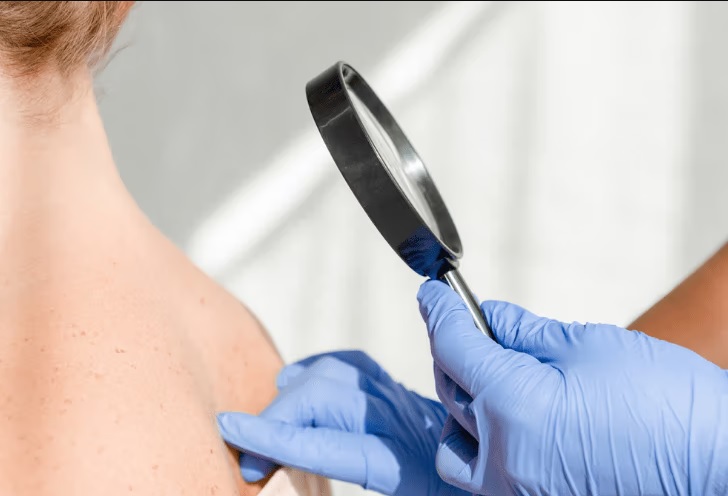
Many dermatologists perform minor surgical procedures such as removing moles, warts, or taking skin biopsies. Some specialize in more advanced surgeries, including the removal of benign cysts or skin cancers. -
Cosmetic Procedures:
Dermatologists also address aesthetic concerns affecting appearance, such as hair loss, dark spots, or wrinkles. Many are trained in cosmetic procedures like chemical peels, laser treatments, and hair removal to improve the skin’s appearance.
How to Become a Dermatologist
Becoming a dermatologist requires extensive medical education and training. The general path includes:
-
Medical Education:
Dermatologists must first complete a medical degree (such as MD or MBBS). During this period, they study general medicine and gain clinical experience in various medical specialties. -
Dermatology Residency or Specialty Training:
After earning a medical degree, doctors must complete a specialized residency in dermatology. This includes both theoretical and hands-on training in diagnosing, treating, and managing skin conditions using various methods such as biopsies, laser treatments, skin surgery, and medications. -
Board Certification:
Once the dermatology residency is completed, physicians must pass the required board examinations to earn certification in dermatology. This certification demonstrates their expertise and professional qualification to diagnose and treat skin disorders.
After earning their certification, dermatologists may work in hospitals, health centers, private clinics, or multidisciplinary medical teams alongside other specialists.

When Should You See a Dermatologist?
You should consult a dermatologist if you have symptoms or conditions affecting your skin, hair, nails, or mucous membranes.
Dermatologists also provide specialized care for skin cancer and other serious conditions.
Before undergoing any dermatologic treatment, it is important to check with your insurance provider, as many insurance companies do not cover cosmetic skin procedures.
Make sure to bring any relevant medical reports, consultation notes, and diagnostic test results to help verify the medical necessity of your treatment.
Common Skin Conditions
Some of the most common skin conditions treated by dermatologists include:
-
Acne: Inflammation of oil glands leading to pimples on the skin
-
Dermatitis: Red, swollen, and painful skin caused by irritation or allergy
-
Eczema: Rough, itchy, and inflamed skin that may bleed
-
Psoriasis: Red, scaly patches of skin that can be itchy
-
Fungal Infections: Skin or nail infections caused by fungi
-
Warts: Small, hard growths on the skin caused by a virus
-
Herpes Simplex (Cold Sores): Painful blisters near the mouth caused by the herpes simplex virus
-
Skin Cancer: Uncontrolled growth of abnormal skin cells
The Alpha PRP Kit, using a single-step centrifugation method followed by buffy coat separation, provides the highest platelet concentration in the shortest possible time.
This kit has been developed specifically for use in dermatology, and is available in 15 cc and 20 cc capacities.
Each of these skin diseases has its own distinct symptoms and must be managed in a unique way by a dermatologist. Moreover, the severity of each case can vary significantly, which directly influences the choice of treatment method.
Treatment Methods for Skin Diseases
A dermatologist may use a variety of treatment methods to address skin problems. The most common approaches include:
-
Topical Medications
Creams, ointments, and gels applied directly to the skin to treat localized conditions. -
Systemic Medications
Oral or injectable drugs that work throughout the body to manage more severe or widespread skin disorders. -
Histopathology
Microscopic examination of skin tissue to identify and confirm the nature of a disease. -
Surgical Procedures
Minor or advanced skin surgeries such as mole removal, biopsies, or excision of skin cancers. -
Immunotherapy
Treatments that stimulate or regulate the immune system to fight specific skin diseases, including autoimmune conditions. -
Photodynamic Therapy (PDT)
A treatment that uses light-activated drugs to destroy abnormal or cancerous skin cells. -
Laser Therapy
The use of focused laser light to treat conditions such as scars, pigmentation, vascular lesions, or unwanted hair. -
Radiotherapy
Controlled radiation exposure to treat certain skin cancers and resistant lesions.
Difference Between Dermatologists and Cosmetic Specialists
Dermatologists and cosmetic specialists are not the same.
Dermatologists are medical doctors trained to improve both the health and appearance of the skin and hair, often focusing on non-invasive treatments such as injectable fillers and skin rejuvenation therapies. Their strength lies in their deep medical understanding of skin care and disease management.
In contrast, cosmetic or plastic surgeons are trained to reshape or reconstruct body parts through surgical techniques. They specialize in invasive aesthetic procedures such as facelifts, rhinoplasty, breast surgery, liposuction, and more.
Conclusion
Now that you’re familiar with the field of dermatology and understand who a dermatologist is, you can take better care of your skin with greater awareness and confidence.
If you have any specific concerns about your skin or would like professional advice, the best option is to visit Dr. Fakhriya’s Clinic or request an online consultation.
Our expert team will contact you as soon as possible to provide personalized guidance and professional recommendations to help address your concerns and ensure your skin’s health and beauty.
The Best Dermatologist in Oman
When it comes to expert dermatological care in Oman, Dr. Fakhriya stands out as one of the most trusted and experienced dermatologists in the country.
With over 15 years of clinical and leadership experience and board certification in dermatology, she has built a strong reputation for excellence in both medical and aesthetic dermatology.
Her clinics in Muscat and Sohar are known for offering advanced, science-based treatments in a professional and caring environment — helping patients achieve healthy, radiant, and confident skin.