


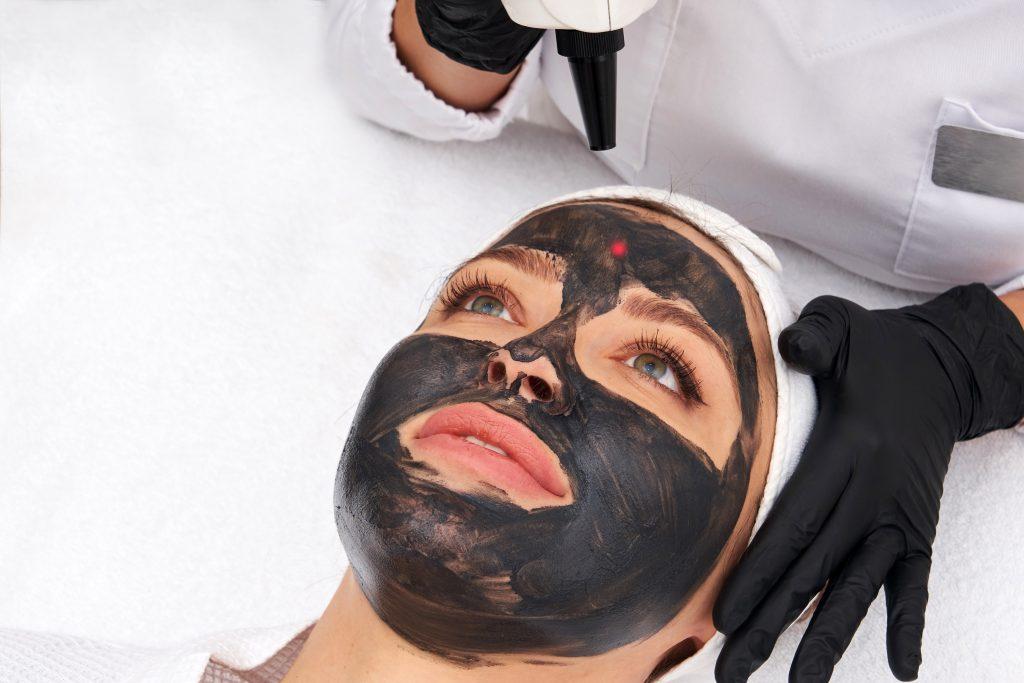
What is Carbon Therapy? Benefits, Side Effects, and Applications
Carbon therapy with laser is a quick and painless method used to improve the appearance of the skin. This treatment is often chosen by people with oily skin, acne, or enlarged and blocked pores. It is also beneficial for those who have recently noticed sun damage on their skin.
In this article from Dr. Fakhriya’s journal, we will explore the benefits, effectiveness, and potential side effects of carbon therapy with laser so that you can determine if this method is the right choice for you. Stay with us until the end of this article.
In recent years, methods that focus on skin exfoliation have become very popular. These treatments are usually effective and cost-efficient, requiring only a short consultation with a dermatologist.
Depending on your goal, there are different types of exfoliation methods, generally classified into three categories: superficial, medium, and deep. The difference between these methods depends on how deep they penetrate the skin’s layers. Superficial treatments offer modest results and require a short recovery time, while methods that penetrate deeper layers of the skin provide more dramatic results but require a longer recovery period.
One of the popular options for treating mild to moderate skin issues is laser carbon therapy. This superficial treatment helps improve acne, shrink pores, reduce excess oil on the skin, and even out the skin tone. It is also beneficial for treating acne and, by increasing collagen production, helps reduce wrinkles.
Carbon therapy or carbon treatment is different from traditional chemical exfoliation. In this method, the doctor uses a carbon solution combined with a laser for exfoliation. Since the laser does not penetrate the deep layers of the skin, the recovery time is very short, and you can immediately return to your daily activities.
Benefits of Carbon Therapy and Its Effects on Skin Health and Beauty
Many people use the benefits of carbon therapy for facial acne treatment as it easily removes acne-causing factors, including oil, pollution, and bacteria. Doctors believe that this method can treat current acne and prevent new breakouts for weeks or months.
Carbon therapy is also used to address the following issues:
-
Acne-related pigmentation changes
-
Acne scars
-
Enlarged and clogged pores
-
Melasma
-
Photoaging (sun-induced aging)
-
Fine lines and wrinkles
Chemical exfoliation also treats these issues, but carbon therapy has several key differences:
-
In laser carbon therapy, heat is used instead of chemicals to achieve the desired result.
-
Carbon therapy has no recovery period.
-
People with sensitive skin or skin conditions like eczema generally experience less redness and irritation after carbon therapy.
For improving skin appearance, other methods like collagen therapy can also be used. The choice of the appropriate method depends on your skin type and your dermatologist’s recommendation.
How Effective is Carbon Therapy?
Carbon therapy is highly effective for improving the appearance of oily skin with open pores, and its effectiveness is noticeable from the very first session. If you have severe acne or acne scars, you may need multiple treatment sessions to see the full result. Fine lines and wrinkles also significantly reduce after one or several sessions of treatment.
In a case study, a young woman with severe acne underwent six treatments with two-week intervals. After four sessions, her skin improved significantly, and after six sessions, 90% of her acne was gone. These results remained visible for up to two months after treatment.
Looking at before and after photos of carbon therapy can help you better understand the results of this method:

Side Effects of Carbon Therapy and Important Points
Carbon therapy, like any beauty procedure, can sometimes have side effects. Usually, it does not cause any issues other than mild redness and a slight burning sensation on the skin. Some individuals may experience swelling, dryness, flaking, or itching, but these side effects typically subside within 2 to 3 days. Ask your doctor if you can use aloe vera gel or a cold compress to soothe your skin.
Recommendations and Care Before Carbon Therapy
Laser carbon therapy is non-invasive and does not require any special preparation. However, it is recommended to consult with an online dermatologist before undergoing the treatment. If you are using specific products or medications for skin issues, your doctor may advise you to temporarily stop using them to avoid severe skin irritation and to apply sunscreen daily.
How is Carbon Therapy Done?
Laser carbon therapy is a multi-step process that takes about 30 minutes. Below are the steps involved in this technique:
-
Your face will be cleaned to remove any makeup, pollution, and oils.
-
The doctor will apply a layer of liquid carbon to your face. The carbon absorbs oil, dirt, and dead skin cells.
-
You will wait for about 10 minutes for the carbon liquid to dry.
-
After the carbon dries, the doctor will cover your eyes with special glasses to protect them from the laser.
-
The doctor will use the laser device to heat the carbon and bond it with the epidermis.
-
If your skin is very sensitive or you have dark spots like melasma, the doctor may skip the heating stage.
-
The next step involves using the laser to break the carbon liquid into fine particles.
-
A smoke evaporator device connected to the laser will remove the carbon and impurities it has absorbed.
-
Finally, the doctor will apply a moisturizing hydrating cream and sunscreen to your skin.

Recommendations and Post-Treatment Care After Carbon Therapy
To get the best results from carbon therapy, it’s essential to take good care of your skin after the treatment.
-
What You Should Do:
The following actions are usually recommended after carbon therapy:
-
Apply moisturizer to your skin every day. You may experience slight flaking or dryness for a few days, which is completely natural.
-
Wash your face twice a day with a mild cleanser. Do not use facial scrubs.
-
Sleep on a clean satin pillowcase.
-
If your skin is exposed to sun-induced aging or fine lines, use products containing collagen or collagen supplements. Following a healthy diet can also help increase collagen production and strengthen the skin.
-
What You Should Avoid:
Certain mistakes could affect the effectiveness of carbon therapy or worsen side effects. To avoid these issues, it is recommended to:
-
Avoid sun exposure for 24 to 48 hours. If you have to go outside, use sunscreen with SPF 50 and stay in the shade as much as possible.
-
Avoid products containing Retin-A, tretinoin, and hydroquinone.
-
Do not use chemical exfoliators like glycolic acid and lactic acid.
How Long Do the Results of Carbon Therapy Last?
Laser carbon therapy, like HIFU therapy and other cosmetic treatments, does not provide permanent results. Therefore, to maintain the benefits of this method, you may need several ongoing treatment sessions. Carbon therapy can be repeated every 2 to 3 weeks. However, since everyone’s skin is different, ask your doctor to determine the number of sessions needed for you.
Price of Carbon Therapy for the Face
As carbon therapy for the face is considered a cosmetic treatment, it is not covered by insurance. The cost of this procedure depends on the doctor’s experience and expertise, the clinic’s location, and the number of sessions required.

Final Words
Laser carbon therapy rejuvenates and revitalizes the skin, improving its appearance. This treatment is ideal for individuals with oily skin, acne, or enlarged pores. It can also benefit those who have fine lines from sun exposure.
Carbon therapy is painless and requires no recovery time. This method typically does not cause any side effects other than mild, temporary redness. However, it may not be suitable for everyone. Consulting a dermatologist for better decision-making is essential. If you want to meet the best dermatologists and schedule an appointment for a consultation or in-person visit quickly, visit Dr. Fakhriye’s website in Sohar and Muscat, Oman.
![What Is Facial Acid Therapy? [Benefits, Side Effects + Steps]](https://drfakhriya.com/wp-content/uploads/2025/09/What-Is-Facial-Acid-Therapy-1200x800.webp)